Streamline AI
Startup MVP Brand Launch
Timeline
5 weeks from kickoff to launch
Team
3 (Brand Designer, Web Designer, Developer)
Industry
Technology / SaaS Startup
The Challenge
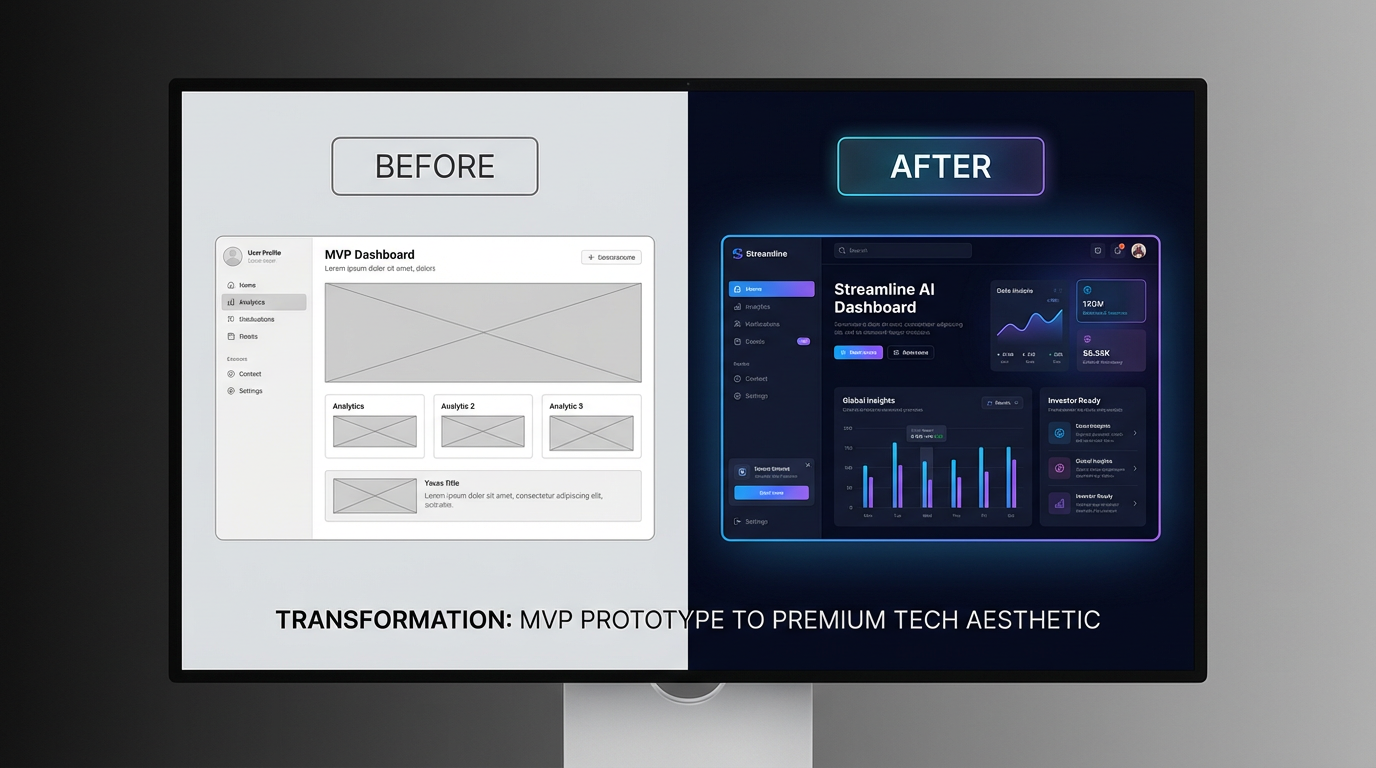
Streamline AI had a working MVP of their workflow automation tool and early beta users, but they looked like a side project. The founders were technical—great at building product, not at building brand. They were entering fundraising conversations with a logo made in Canva and a landing page that looked like a template. Investors were interested in the product but questioned whether the team could execute on go-to-market. They needed to look investor-ready without looking over-designed or premature.
The Strategy
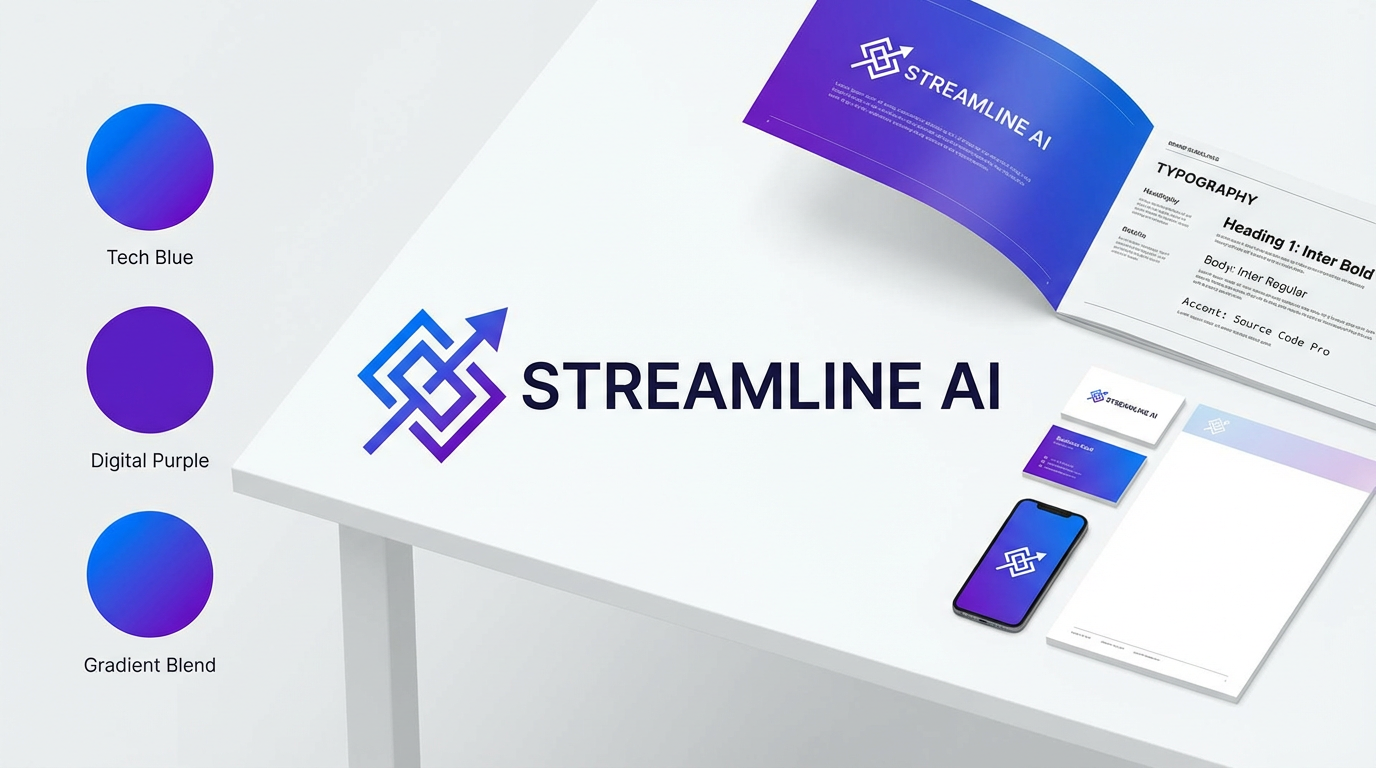
We positioned Streamline AI as a focused, product-first company with a clear vision. The strategy was minimal sophistication—clean, confident, and technical without being cold. The brand needed to appeal to two audiences simultaneously: investors (showing execution capability) and early adopters (showing product value). We would emphasize clarity over creativity, function over flash.
The Execution
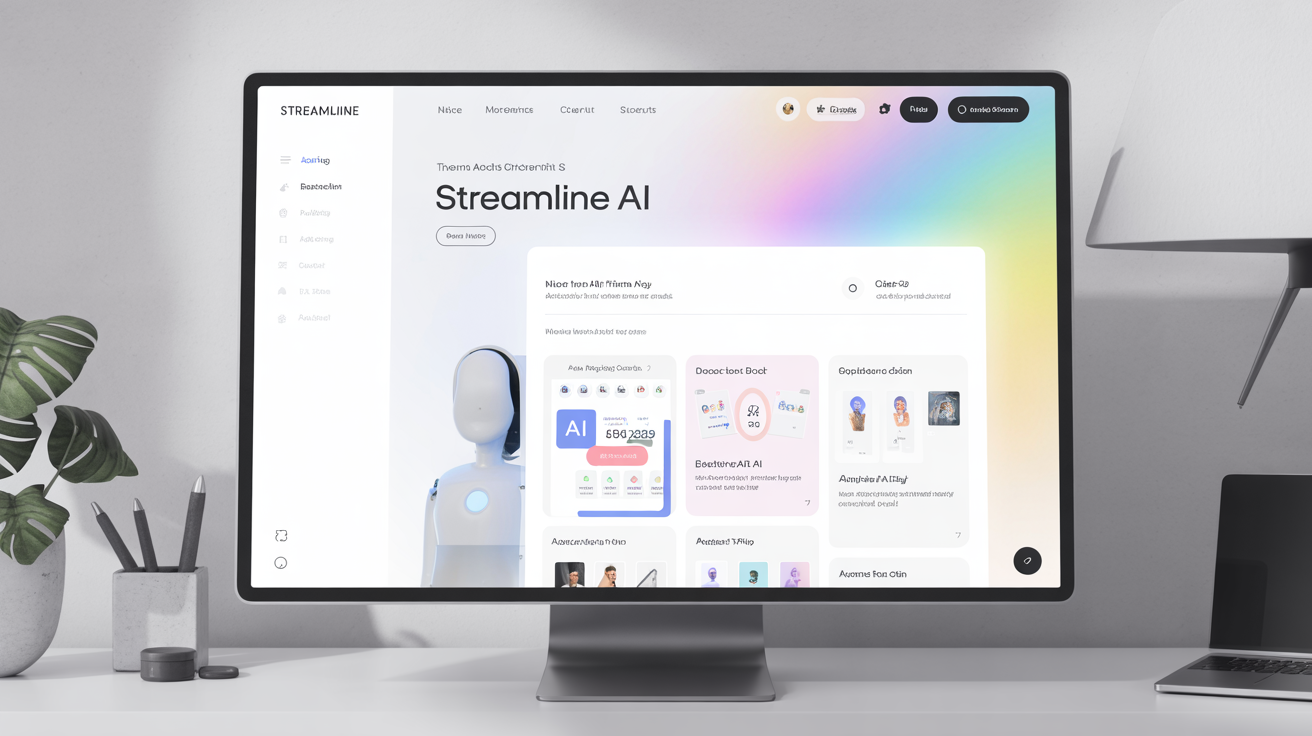
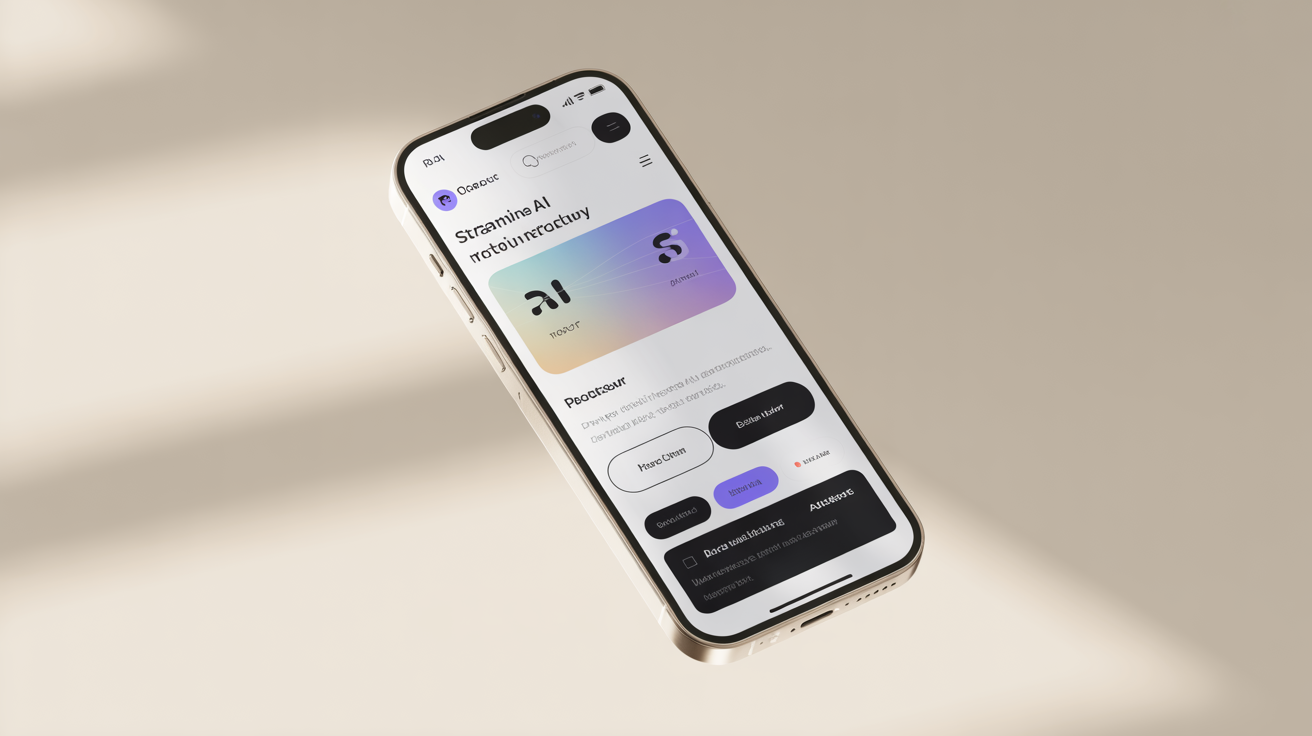
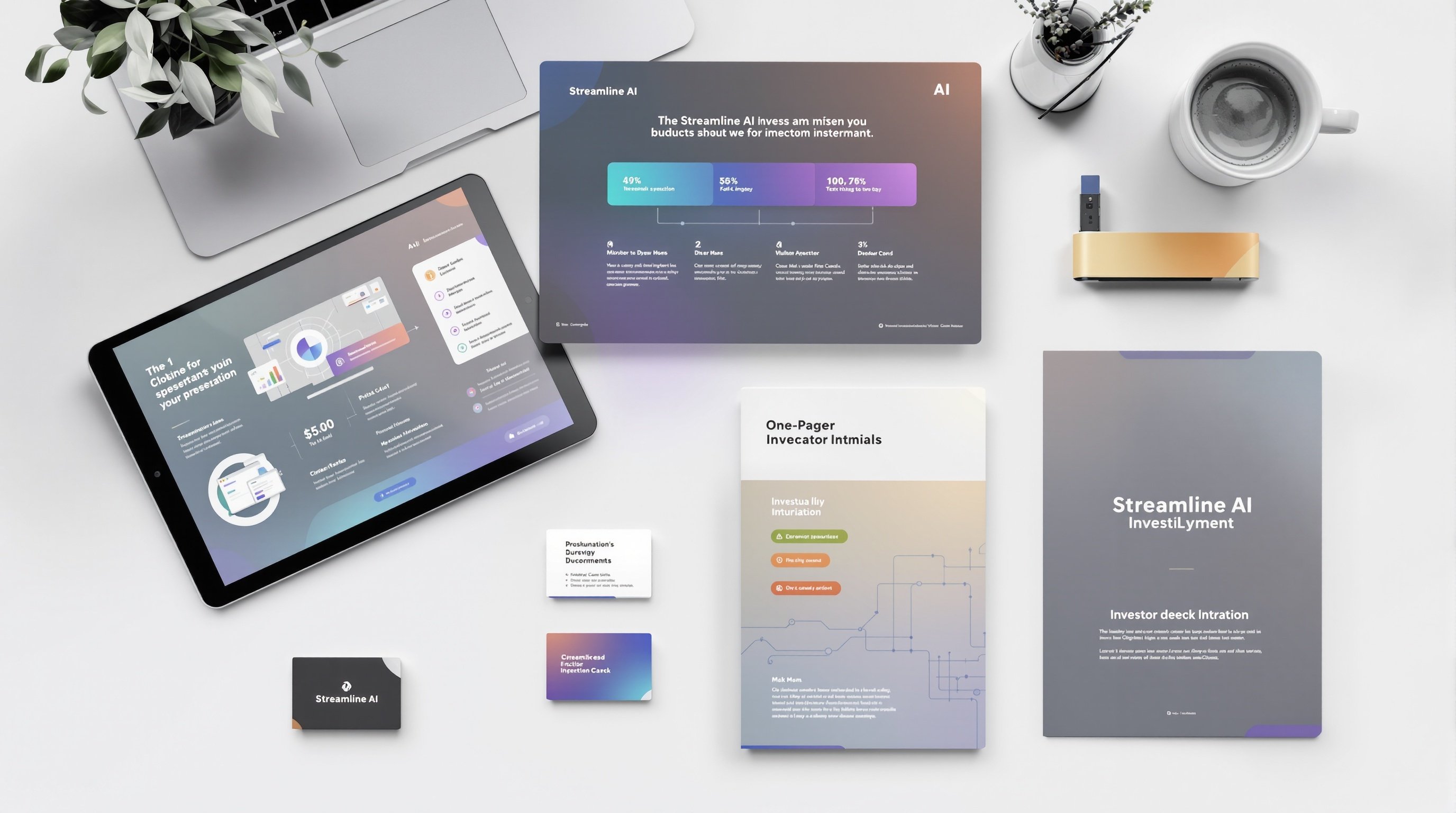
The brand identity was intentionally restrained: a clean wordmark logo, a focused color palette (deep blue, bright cyan, neutral grays), and modern sans-serif typography. No unnecessary elements. The website was a single-page experience optimized for conversion: clear value proposition, product demo video, key features with benefit-focused copy, early customer testimonials, and a prominent beta signup CTA. We created a 'How It Works' section with simple diagrams showing the product's core workflow. The design was spacious and confident—lots of whitespace, clear hierarchy, and fast load times. We developed a pitch deck that aligned perfectly with the website's visual language, making the brand feel consistent across touchpoints. The messaging focused on the problem being solved and the specific workflow inefficiency the product addressed—no vague 'revolutionizing' claims.
The Results
The rebrand changed how investors and potential customers perceived the company. In pitch meetings, investors commented that the brand 'looked like a real company,' not a side project. The clean, focused website made the product easier to understand, which improved conversion rates significantly. Early customers reported that the professional presentation gave them confidence that the product would be supported long-term. The consistency between the website and pitch deck made the founders look organized and execution-focused. Six months post-launch, the founders reported that the brand had been a significant factor in their fundraising success—it made them look like a team that could execute on growth, not just build product.
“We're engineers, not designers, and it showed. Our product was solid, but our brand made us look like we didn't know what we were doing. CDH gave us a presence that matched our ambitions. Investors started taking us seriously, and customers stopped asking if we were 'legit.' The brand didn't just make us look better—it made us feel like a real company. That confidence showed up in every pitch and every customer conversation.”
Deliverables
Key Insight
For early-stage startups, the brand needs to signal competence without looking over-invested. Investors want to see that you can build a brand, but they don't want to see you spending runway on unnecessary design. The key was restraint—every element served a purpose, nothing was decorative. The alignment between the website and pitch deck was crucial; it showed consistency and attention to detail. The lesson: for startups, your brand is proof of execution capability. A clean, focused brand signals that you can make good decisions and execute them well—which is exactly what investors are evaluating.
Want results like this for your business?
Let's talk about how we can help transform your brand and digital presence.